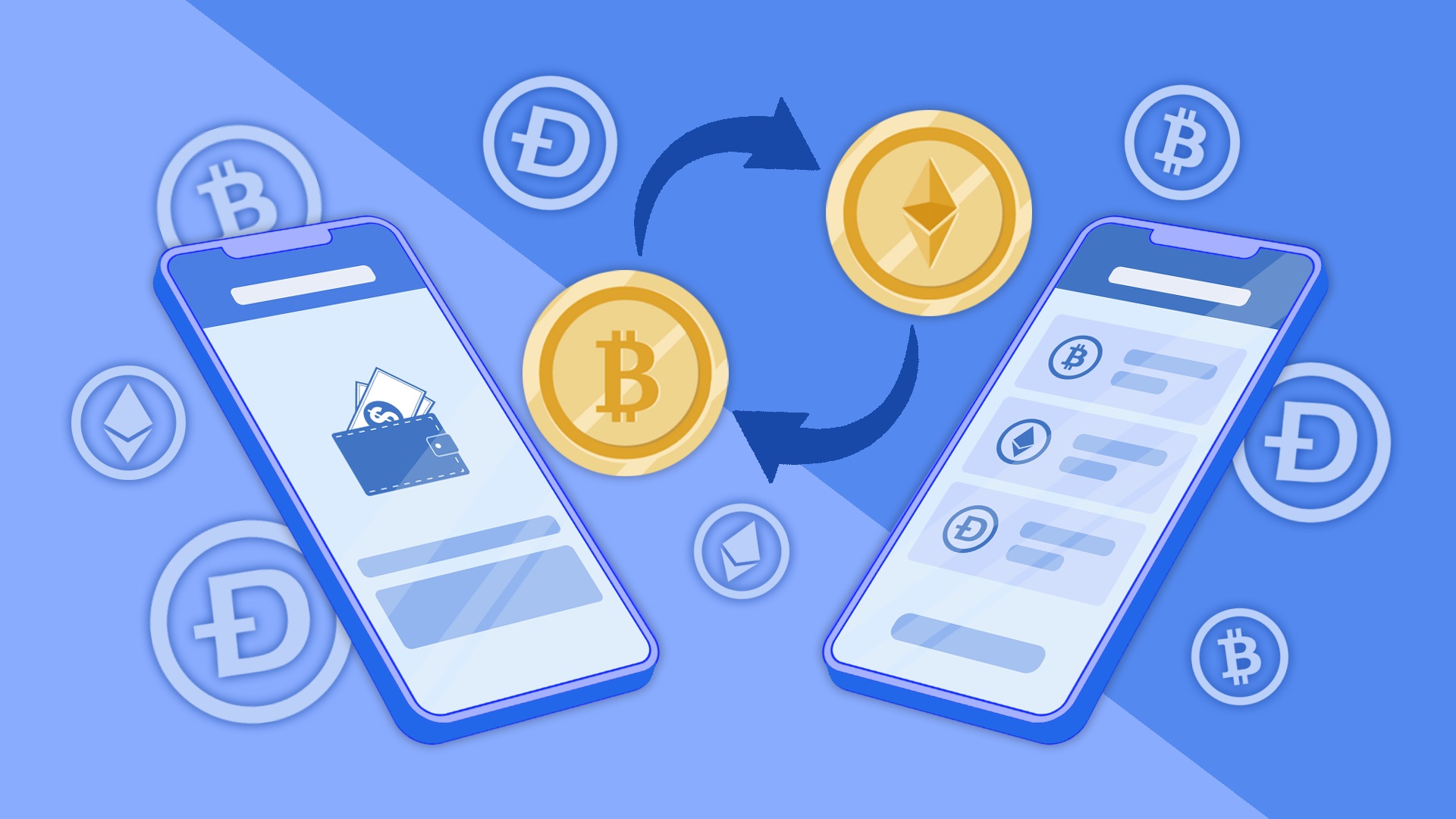

A crypto exchange is an online marketplace where you buy, sell, and trade cryptocurrencies using fiat money or other digital assets. If you’ve ever wondered how people actually get their hands on Bitcoin or Ethereum, the answer almost always starts here.
What is a cryptocurrency exchange?
A cryptocurrency exchange is an online platform that acts as an intermediary between buyers and sellers of digital assets, matching orders, publishing exchange rates, and maintaining a digital order book. Think of it as a stock exchange, but instead of trading company shares under heavy securities regulation, you’re trading digital tokens and coins under a set of rules that regulators are still writing.

Before exchanges existed, the main ways to get cryptocurrency were mining coins yourself or arranging peer-to-peer deals directly with strangers, both of which carried significant technical or safety hurdles. The first cryptocurrency exchange launched in 2009 as a proof of concept for future trading platforms, and at the time Bitcoin peaked at just $0.39 in 2010. By July 2025, it had crossed $118,000, a trajectory that didn’t follow a straight line. Exchanges played a central role in that growth by making crypto accessible to everyday buyers along the way.
Most crypto exchanges are online-only platforms, though a small number operate as brick-and-mortar businesses that accept cash. They earn revenue through transaction commissions, the spread between buy and sell prices, and various service fees. The exchange model has also shown its fragility: FTX, once valued at $18 billion, filed for bankruptcy on November 11, 2022, a reminder that the platform you trade on carries its own set of risks separate from the assets you hold.
How does a cryptocurrency exchange work?
To start trading, you deposit fiat currency (like US dollars) or cryptocurrency you already own into your exchange account. Once funded, the exchange gives you access to its order book, a real-time list of all open buy and sell orders arranged by price and time. As trades happen, the order book updates automatically.
When you place a trade, you’ll typically choose between two order types. A market order executes immediately at the best price available right now. It’s fast, but in a thin market you might pay slightly more (or receive slightly less) than you expected. A limit order lets you set a specific price threshold, and the trade only goes through if the market reaches that price. Limit orders give you more control, but there’s no guarantee they’ll fill if the price never hits your target.
The exchange’s matching engine pairs buy and sell orders using price priority first, then time priority on a first-in-first-out basis. If two buyers both want to pay $30,000 for one Bitcoin, the one who placed the order earlier gets matched first.
Every exchange publishes trading pairs, combinations like BTC/USD or ETH/EUR, that tell you which assets can be swapped for each other and at what rate. The number of pairs available varies by platform.
Liquidity, the volume and availability of assets on an exchange, matters more than most beginners realize. High liquidity means large orders can fill without dragging the price up or down much. Low liquidity does the opposite: even a modest trade can cause noticeable price swings, and you end up paying more or selling for less than you planned.
Some exchanges go beyond simple order matching and lend out customer deposits to third parties, pocketing the interest-rate difference. When customer assets are pledged as collateral for these loans, it’s called rehypothecation. This practice can generate revenue for the exchange, but it also means your funds may not be sitting safely in a vault. If the borrower defaults, the exchange, and by extension you, can take the hit.
How crypto exchanges make money
Crypto exchanges pull in revenue from several streams, and understanding them helps you compare the true cost of trading across platforms.
- Trading fees are charged on each transaction and often follow a maker-taker model. “Takers” place orders that fill immediately against existing orders, removing liquidity from the book, and pay a fee for it. “Makers” place orders that sit on the book waiting to be filled, adding liquidity, and sometimes receive a small rebate instead of paying a fee. This structure encourages more open orders on the book, which tightens spreads for everyone.
- Spread revenue comes from the gap between the highest price a buyer is willing to pay (the bid) and the lowest price a seller will accept (the ask). Even when an exchange advertises “zero fees,” the spread can quietly add cost to every trade.
- Withdrawal fees apply when you move crypto off the platform. These can be a flat amount per withdrawal or a percentage of the total, depending on the exchange and the asset.
- Network or gas fees cover the cost of recording transactions on the blockchain. Exchanges typically pass these through to users, and the amount fluctuates with network congestion.
- Interest income from lending deposited customer funds to borrowers is another revenue line for some platforms, though not all exchanges disclose this practice clearly.
Fee tiers often scale with your trading volume. Higher-volume traders may qualify for lower rates, which is worth checking if you trade frequently.
Types of cryptocurrency exchanges
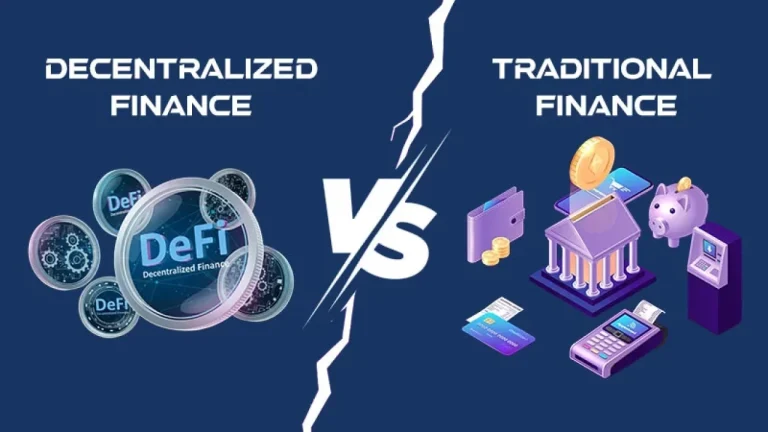
There are three main types of cryptocurrency exchanges, each with its own approach to asset custody, identity verification requirements, liquidity depth, and the level of blockchain experience you’ll need to get started.

Centralized exchanges (CEX)
A centralized exchange is run by a single company that controls user accounts, order matching, and custody of assets. When you deposit crypto on a CEX, the exchange holds your private keys, not you.
This custodial model is convenient. CEXs generally offer the highest liquidity because they attract large user bases and high trading volume. Their centralized database infrastructure means fast execution, with average order speeds reported at roughly 10 milliseconds. Interfaces are designed with beginners in mind, often bundled with educational resources and live customer support. If you lose your login credentials, account recovery is possible because the exchange controls the backend.
To comply with anti-money-laundering rules, centralized exchanges require identity verification, commonly called KYC (know your customer). You’ll submit government-issued ID and, in many cases, proof of address before you can trade. Those checks also set a floor on age: the minimum age to buy crypto on regulated platforms is 18.
The trade-off is real, though. Because a CEX holds your private keys, you’re trusting that company to keep your funds safe. If the exchange gets hacked or goes insolvent, your assets can be locked up or lost entirely. Centralized exchanges are attractive targets for hackers precisely because they store large pools of assets and user data on centralized servers. Some centralized exchanges have also faced accusations of volume manipulation and insider trading, which can distort the market data you rely on to make decisions.
Decentralized exchanges (DEX)
A decentralized exchange runs as an autonomous application on a public blockchain. There’s no company in the middle. Transactions are executed by smart contracts, self-enforcing code that carries out trades automatically when conditions are met.
The biggest draw is custody: DEXs are non-custodial, meaning you keep your own private keys and control your assets at all times. No KYC is required, so you get greater anonymity and privacy.
Under the hood, DEXs use one of three architectural approaches. On-chain order books record every order directly on the blockchain. Off-chain order books handle order matching outside the chain and only settle the final trade on-chain. Automated market makers (AMMs) skip the order book entirely and use liquidity pools, funds deposited by users, paired with an algorithm that sets prices based on the ratio of assets in each pool.
The downsides are practical. Liquidity on DEXs is generally lower than on centralized platforms, which can lead to wider spreads, more slippage, and even susceptibility to market manipulation. Interfaces tend to be more complex and less forgiving for beginners. If you want to swap assets that live on different blockchains (cross-chain trading), you’ll often need additional software or a bridge network, which adds another layer of risk and complexity. On the governance side, many DEX protocols let token holders vote on protocol changes, giving users a direct say in how the platform evolves.
Hybrid exchanges
Hybrid exchanges try to take the best from both worlds: centralized order matching for speed and usability, combined with decentralized asset storage so the exchange itself can’t freeze or seize your funds.
The front end looks and feels like a centralized exchange, making it accessible to users who don’t want to wrestle with wallet connections and blockchain explorers. On the back end, settlement happens on-chain, giving you custody of your assets between trades.
Hybrid exchanges are still relatively new. Trading volumes are lower than on established CEXs, which means thinner liquidity and a greater risk of price manipulation. Their shorter track record also makes it harder to judge long-term reliability. One niche advantage: organizations can use the blockchain layer in a closed network while keeping proprietary data private.
Centralized vs. decentralized vs. hybrid exchanges compared
This table lays out the core differences side by side so you can match each type to your priorities.
| Feature | Centralized (CEX) | Decentralized (DEX) | Hybrid |
|---|---|---|---|
| Custody | Custodial | Non-custodial | Non-custodial or partially custodial |
| Regulation | Generally regulated and licensed | Unregulated | Mostly unregulated |
| KYC required | Yes | No | Sometimes |
| Anonymity | No | Yes | Partial |
| Liquidity | High | Low | Low |
| User-friendly interface | Yes | No | Yes |
| Blockchain knowledge needed | Minimal | Significant | Moderate |
Crypto exchange vs. crypto wallet
An exchange is where you buy, sell, and trade crypto. A wallet is where you store it and manage the private keys that authorize moving your funds on the blockchain. They serve different purposes, and understanding the distinction matters for your security.
Wallets come in two main forms. Software wallets run as a mobile app or browser extension and stay connected to the internet (“hot” wallets). Hardware wallets are physical devices that store your keys offline (“cold” wallets), keeping them out of reach of remote attackers.
Every wallet, software or hardware, holds the private keys tied to your crypto. Whoever controls those keys controls the funds, which is why the phrase “not your keys, not your coins” comes up so often in crypto circles. When you leave assets on a centralized exchange, the exchange holds your keys, and you’re relying on that company’s solvency and security.
It’s also worth knowing that some brokerage apps let you purchase crypto but don’t allow withdrawals to an external wallet. That means you own the asset on paper, but you can’t move it off the platform. Dedicated crypto exchanges typically do allow withdrawals, giving you the option to move holdings into your own wallet.
Risks of using a cryptocurrency exchange
Trading on a crypto exchange introduces risks beyond normal price volatility. Knowing these ahead of time helps you decide how much to keep on any single platform.

- Hacking. Exchanges holding large pools of assets are high-value targets. Breaches have resulted in hundreds of millions of dollars in losses. Mt. Gox reported up to 850,000 BTC lost, of which about 200,000 were eventually recovered. A major exchange disclosed a $35 million hack in January 2022.
- Insolvency or fraud. Exchange operators can misuse customer deposits, lend them to undisclosed parties, or mix funds with company money. FTX’s bankruptcy involved approximately $8 billion in missing customer funds, and founder Sam Bankman-Fried was sentenced to 25 years in prison on March 28, 2024.
- No government-backed insurance. Unlike bank deposits protected by FDIC coverage or brokerage accounts backed by SIPC, crypto held on an exchange carries no equivalent safety net, as the Michigan Attorney General has warned consumers.
- Bankruptcy exposure. If an exchange files for bankruptcy, customers are typically treated as unsecured creditors. That means you may be last in line to recover assets, behind secured lenders and other priority claims.
- Rehypothecation. An exchange may pledge your deposited assets as collateral for its own borrowing or trading activities without clearly disclosing it. If those bets go wrong, your funds are on the line.
- Regulatory uncertainty. Many exchanges operate outside strong, well-established regulatory frameworks, which limits your ability to seek legal recourse if something goes wrong.
- Withdrawal freezes. Exchanges facing liquidity shortages have suspended withdrawals before disclosing financial trouble. By the time you hear about the problem, it may already be too late to pull your funds out.
- Asset volatility. Crypto prices can drop sharply in hours, reducing the fiat value of whatever you hold on any platform. This risk exists regardless of which exchange you use.
Red flags when evaluating a crypto exchange
Before you fund an account, check for these warning signs. Any one of them is a reason to pause; several together should send you elsewhere.
- Headquarters outside the United States. Exchanges incorporated or based overseas make legal recourse much harder if you need it. You may have no standing in a foreign court.
- Missing regulatory registrations. A legitimate exchange should be registered as a money transmitter at minimum. You can verify broker registrations through FINRA BrokerCheck and search FinCEN’s MSB registrant list for money transmitter status. If you can’t find the exchange in either place, that’s a problem.
- Thin online presence. A sparse website littered with typos, minimal social media activity, or recently created accounts can signal a hastily built scam rather than a real business.
- Unsolicited contact. If someone reaches out to you on social media promoting a specific platform, treat it as a red flag. This is a common tactic in fraudulent investment schemes.
- Hidden reserve data. Exchanges that won’t show wallet addresses or reserve information publicly prevent anyone from independently verifying that they actually hold what they claim to hold.
- History of withdrawal freezes. Past incidents of freezing or interrupting customer withdrawals without clear technical justification suggest ongoing solvency or management problems.
- No customer support channel. If you can’t find a way to reach a real person, whether by chat, email, or phone, you’ll have no recourse when something goes wrong.
How to choose a reputable crypto exchange
Picking an exchange starts with knowing what matters most to you. From there, it’s a checklist of practical steps.
- Decide between centralized and decentralized based on your priorities. If you want convenience, customer support, and fiat on-ramps, a centralized exchange is the straightforward choice. If privacy and self-custody matter more, a decentralized exchange gives you direct control of your keys.
- Verify regulatory registrations and licenses in the jurisdictions where the exchange operates. This takes five minutes and can save you from a platform that has no legal obligation to protect your funds.
- Review the fee schedule, and compare it against the best exchanges for 2026 we’ve already vetted. Look for clearly disclosed trading fees, withdrawal fees, and any spread markups. If the fee structure is hard to find or hard to understand, that itself is informative.
- Check daily trading volume as a measure of liquidity. Higher volume generally means tighter spreads and less slippage on your orders.
- Evaluate supported cryptocurrencies and trading pairs. If you want to trade smaller altcoins, make sure the exchange lists them.
- Examine security disclosures. Look for cold-storage practices, two-factor authentication options, insurance funds, and audit history. Proof-of-reserves reports or third-party attestations of solvency add another layer of confidence.
- Read user reviews and check community reputation. A history of security incidents, unresolved complaints, or sudden policy changes is worth knowing about before you deposit anything.
- Test customer support. Send a question before you fund an account. Response time and quality tell you a lot about what to expect when it actually matters.
Security precautions for crypto exchange users
No security measure removes all risk, but these steps make you a much harder target.
- Enable two-factor authentication (2FA) using an authenticator app rather than SMS. SIM-swap attacks can intercept text-message codes, but app-based 2FA stays on your device.
- Use a unique, long, multi-character password for each exchange account. A password manager makes this practical. Reusing passwords across sites means one breach compromises everything.
- Verify URLs carefully before entering credentials. Phishing sites that mimic legitimate exchanges are common, and the differences can be as subtle as a single character in the domain name.
- Limit how much crypto you store on any exchange. Transfer holdings you aren’t actively trading to a personal wallet. This is the simplest way to reduce your exposure to exchange hacks or insolvency.
- Record your mnemonic seed phrase on paper and store it in a secure physical location. These phrases are typically 12, 22, or 24 words long, and they’re the only way to recover a wallet if your device is lost. Never store them digitally, whether in a note app, a screenshot, or cloud storage.
- Monitor account activity for unauthorized logins or withdrawal attempts. Most exchanges offer activity logs and login notifications.
- Keep your exchange app and device software updated. Patches fix known vulnerabilities, and delaying updates leaves doors open that attackers already know about.
How crypto exchanges differ from stock exchanges
People often compare crypto exchanges to stock exchanges, but the differences are more than cosmetic.
| Feature | Crypto exchange | Stock exchange |
|---|---|---|
| Trading hours | 24/7, including weekends and holidays | Local market hours; closed on weekends and holidays |
| Asset class | Digital tokens and coins | Equity shares in companies |
| Price drivers | Supply, demand, and market sentiment | Company performance, earnings, and economic data |
| Supply model | Many cryptocurrencies have a hard cap on total supply | Companies can issue new shares at will |
| Regulatory oversight | Evolving, less uniform regulation | Extensive securities regulation |
| Volatility | Historically wider price swings over short periods | Can be volatile, but swings tend to be narrower |
The 24/7 trading schedule is one of the starkest contrasts. There’s no closing bell, no after-hours session. Prices move while you sleep, which can work for you or against you. The hard-cap supply model also creates different dynamics: when demand rises for an asset that will never have more than a fixed number of units, price pressure behaves differently than for a stock where the company can dilute shares.
Brief history of cryptocurrency exchange failures
The history of exchange collapses is short but sobering, and each one reshaped how the industry thinks about custody and regulation.
Mt. Gox was the largest crypto exchange in the world when it suspended trading in February 2014. The cause was a prolonged theft of bitcoins from its hot wallet that dated back to late 2011. Up to 850,000 BTC were reported lost, and about 200,000 were eventually recovered. Mt. Gox filed for bankruptcy in Japan, and the episode became the original cautionary tale of what can go wrong when a single company holds the keys to thousands of people’s funds.
FTX was the third-largest exchange by volume when it entered bankruptcy on November 11, 2022, citing a liquidity crisis. Pre-collapse, it had been valued at $18 billion. Approximately $8 billion in customer funds were missing. Founder Sam Bankman-Fried was later convicted of fraud and received a 25-year prison term on March 28, 2024. The FTX collapse didn’t happen in isolation: Celsius, Voyager, and BlockFi each collapsed amid risky lending practices during the same period, freezing customer withdrawals before filing for bankruptcy.
These failures drove home the adage “not your keys, not your coins.” When you leave crypto on an exchange and that exchange goes under, you become an unsecured creditor. You’re not withdrawing your property; you’re standing in line hoping to get paid back. The wave of collapses accelerated calls from both regulators and industry executives for stronger consumer protections. One concrete result: the SEC approved spot Bitcoin exchange-traded product shares in January 2024, creating a regulated alternative for investors who want Bitcoin exposure without holding it on an exchange.
Regulation of crypto exchanges in the United States and abroad
Crypto exchange regulation varies widely by country, and even within the US, the rules come from multiple agencies.
In the United States, the SEC has maintained since 2018 that platforms trading digital assets that qualify as securities must register as national securities exchanges or obtain an exemption. The CFTC, meanwhile, permits public trading of cryptocurrency derivatives. At the federal level, exchanges must register as money transmitters through FinCEN. State-level requirements add another layer and vary significantly from one jurisdiction to the next.
The European Union introduced the Markets in Crypto-Assets (MiCA) regulation in 2023, requiring all exchanges operating in the EU to obtain a license by July 1, 2026. Japan requires a special license from its Financial Services Authority to run a crypto exchange. Australia requires citizens to report digital-asset gains for capital-gains-tax purposes, though it hasn’t finalized comprehensive exchange regulation.
China took the most extreme approach, announcing a blanket ban on all cryptocurrency transactions and mining in September 2021.
The bottom line for US-based users: no single regulator oversees crypto exchanges the way the SEC oversees stock exchanges. That patchwork means your protections depend on which agency has jurisdiction over the specific activity, and gaps still exist. Some global exchanges sidestep the question by staying out of the market entirely: Bybit excludes US residents under its terms of service.
Frequently asked questions about crypto exchanges
Can you trade crypto for fiat currency on an exchange?
Most centralized exchanges support fiat on-ramps and off-ramps through bank transfer, credit card, or debit card, so yes, you can buy crypto with dollars and sell it back. Decentralized exchanges, on the other hand, typically handle only crypto-to-crypto pairs and don’t connect directly to your bank account.
Can you lose money on a crypto exchange?
Yes. You can lose money through a drop in the asset’s price, an exchange hack, insolvency, or outright fraud. No government insurance backstop like FDIC or SIPC exists for most crypto exchange accounts, so losses may not be recoverable.
Do you need an exchange to buy cryptocurrency?
Not strictly. Peer-to-peer transfers and Bitcoin ATMs exist as alternatives. But exchanges provide price discovery, liquidity, and transaction management that reduce counterparty risk. For most people, especially beginners, an exchange is the most practical entry point.
Is a brokerage app the same as a crypto exchange?
Not exactly. Some brokerage apps let you buy crypto, but they may not let you withdraw it to an external wallet. That limits your custody, meaning you own the asset within the app but can’t move it. Dedicated crypto exchanges generally support full withdrawals, giving you the option to transfer to your own wallet (and later cash out from Trust Wallet or a similar app back to your bank).
How does a decentralized exchange handle disputes without a central authority?
It doesn’t, at least not in the way you’d expect. Smart contracts enforce the transaction rules automatically. There’s no intermediary to reverse or arbitrate a trade. If you send funds to the wrong address or get caught in a bad swap, there’s no customer support line to call. You bear full responsibility for every transaction.
Choosing the right exchange for your goals
Your best fit depends on what you’re willing to trade off. Beginners who want a smooth onboarding experience, educational content, and someone to call when things go sideways tend to gravitate toward centralized exchanges. The tradeoff is custody: you’re trusting the exchange to hold your keys.
Privacy-focused or technically proficient users may prefer decentralized exchanges for self-custody and anonymity. You get full control of your assets, but you also get full responsibility for your own security, and you’ll need enough blockchain knowledge to handle wallet connections, gas fees, and smart contract approvals.
Hybrid exchanges sit in the middle, offering blockchain-based asset storage with a more familiar trading interface. They’re worth watching, but lower liquidity and a shorter track record mean you should go in with open eyes.
Regardless of which type you choose, doing your homework on registration, security practices, and fee transparency reduces your exposure to fraud and loss. At AXL Research Hub, we cover exchange reviews and comparisons to help you weigh these factors side by side. One habit applies across the board: keep the bulk of your holdings in a personal wallet and use the exchange only for the trades you’re actively making. If you’re unsure where to start, learn how to make a crypto wallet before funding any exchange account. That single step limits your counterparty risk more than any other.