

Yield farming lets crypto holders put idle digital assets to work by depositing them into decentralized protocols in exchange for rewards. Those rewards can take the form of interest, a cut of trading fees, or additional types of cryptocurrency issued by the protocol itself.
What is yield farming?
Yield farming is a DeFi strategy where you deposit cryptocurrency into a decentralized protocol and earn rewards for doing so. The protocol uses your deposit as liquidity, meaning other users can borrow it, trade against it, or swap tokens through it. In return, you receive a share of transaction fees, interest paid by borrowers, or governance tokens native to the platform.
The concept is sometimes called liquidity mining because your role as a depositor is to supply the liquidity that decentralized exchanges (DEXs) and lending platforms need to function. Without depositors filling these pools, there’s no capital for traders to swap against and no assets for borrowers to draw from.
Think of it like lending out a piece of equipment you aren’t using. The borrower pays rent for access, and you earn income on something that would otherwise sit idle. The protocol is the middleman, except it runs on smart contracts instead of a bank or broker.
Yield farming plays a structural role in decentralized finance. It’s the mechanism that enables token swaps, lending, and borrowing to happen without centralized intermediaries. The total value locked (TVL) across major yield farming protocols exceeded $10 billion in early 2025, reflecting how much capital flows through these systems.
How does yield farming work?
Most yield farming happens through automated market makers (AMMs), which replace traditional order books with algorithmic pricing. Instead of matching a buyer with a seller, an AMM uses the ratio of tokens sitting in a liquidity pool to calculate prices automatically. Every time someone swaps tokens in that pool, the protocol charges a fee, and that fee gets split among all the liquidity providers based on their share of the pool.
Here’s the typical process from start to finish:
- Select a DeFi platform. Pick a decentralized exchange or lending protocol that offers liquidity pools matching the tokens you already hold. Common deposited assets include ETH, stablecoins like USDT and USDC, and BNB.
- Provide liquidity. Deposit a pair of crypto tokens (or a single token, depending on the pool design) into a liquidity pool governed by a smart contract. For example, you might deposit BNB and CAKE into a BNB/CAKE pool.
- Receive LP tokens. The protocol issues liquidity-provider (LP) tokens that represent your proportional share of the pool. Using the example above, a BNB/CAKE LP token is redeemable for your share of the assets in that pool whenever you decide to withdraw.
- Stake LP tokens for secondary yield. Some platforms let you take those LP tokens and stake them in a separate contract, generating an additional layer of rewards on top of the swap fees you’re already earning.
- Claim and reinvest rewards. Rewards accrue over time and are credited to your connected Web3 wallet. You can claim them manually or, on some platforms, reinvest them automatically to compound your returns.
The fee charged on every swap is the engine behind the rewards. Because LP token holders share that fee proportionally, a larger deposit earns a larger cut, and a busier pool generates more fees overall.
How yield farming rewards are earned
Rewards in yield farming come from three main sources, and many pools combine more than one.
Transaction-fee sharing is the most straightforward. Every swap inside a liquidity pool generates a small fee that gets distributed pro rata to all liquidity providers, so busier pools naturally accumulate more revenue for depositors.
Governance-token incentives add a second layer. Protocols distribute their native tokens to depositors as an extra incentive beyond swap fees, with CRV from Curve, COMP from Compound, and UNI from Uniswap being well-known examples. These tokens carry voting rights on protocol proposals and fee structures, so holding them ties your financial interest to where the protocol is headed long-term. If the protocol gains adoption, early-stage token rewards can appreciate significantly, pushing actual returns well beyond the stated APY at the time of deposit.
Interest from lending protocols works differently. When you supply assets to a decentralized money market, borrowers pay interest on what they take out, and that interest flows back to you as the lender. The rate depends on demand for the borrowed asset, its use cases, and which network it operates on. High-demand assets on active networks tend to carry higher rates.
Common yield farming strategies
Yield farming isn’t a single approach. Farmers pick strategies based on how much risk they’re willing to take, how actively they want to manage positions, and what tokens they hold.

- Liquidity provision on DEXs. Depositing token pairs into AMM pools on a decentralized exchange to earn swap fees is the most direct form of yield farming. Many pools layer bonus token rewards on top of the base fees.
- Lending and borrowing. Supplying assets to lending protocols earns interest from borrowers. Some farmers take this a step further by borrowing against their supplied assets and re-depositing the borrowed funds, a technique called looping. Looping increases exposure to the yield but also raises the risk of liquidation if collateral values drop.
- Staking LP tokens. After receiving LP tokens from one pool, you can stake them on the same platform or a different one to earn a second layer of yield. This stacks rewards without requiring additional capital.
- Yield aggregation. Vault-based platforms automatically move your funds across protocols, chasing the highest available APY and auto-compounding rewards so you don’t have to rebalance manually.
- Stablecoin-focused pools. Providing liquidity in stablecoin-only pairs (like USDC/USDT) reduces impermanent loss because both tokens track the same value. The trade-off is lower returns. Low-risk stablecoin lending strategies often yield 2 to 10% APY.
- Multi-layer incentive farming. Some pools stack base interest, trading fees, and governance-token emissions simultaneously, giving farmers three revenue streams from a single deposit.
- Looping for leverage. Borrowing against supplied collateral, re-depositing the borrowed amount, and repeating the cycle amplifies returns but sharply raises liquidation risk. Farmers commonly use stablecoins for looping to limit exposure to price swings.
Higher-risk pools with volatile token pairs can reach 50 to 200% APY or more, but token price declines can erase those gains entirely. A USDC/ETH pair on a major DEX, for instance, might offer roughly 15% annual yield from combined fees and token rewards, a middle ground between stablecoin-only pools and high-volatility pairs.
How to get started with yield farming
- Choose a blockchain network. Ethereum, BNB Chain, Arbitrum, and other networks each have different fee structures and available protocols. Ethereum offers the deepest liquidity but charges higher gas fees. Low-fee chains reduce the minimum practical deposit amount.
- Set up a compatible wallet. A non-custodial Web3 wallet like MetaMask or Trust Wallet connects you to DeFi platforms and stores your assets. You control the private keys, which means you’re responsible for keeping them secure.
- Fund the wallet. Buy or transfer the tokens you need for your target pool. Don’t forget to hold some native tokens (ETH on Ethereum, BNB on BNB Chain) to cover transaction fees.
- Pick a DeFi protocol. Check the platform’s audit history, total value locked, and community reputation before depositing anything. Audited protocols with high TVL and active development tend to carry less smart contract risk.
- Deposit tokens into a liquidity pool or vault. Follow the protocol’s interface to provide liquidity directly or select a pre-built vault strategy that handles rebalancing for you.
- Start earning. Rewards accumulate in real time. Depending on the platform, you can claim them manually or let them auto-compound.
- Monitor and adjust. Reward rates, pool composition, and market conditions shift quickly. If incentives drop or liquidity dries up, moving funds to a better-performing pool is a normal part of the process, though each move costs a transaction fee.
- Withdraw or reinvest. You can pull your funds at any time unless a lock-up period applies. Reinvesting compounds gains over time, while converting to stablecoins or fiat locks in profit.
Starting capital can be as low as $50 to $100, but transaction fees on Ethereum can eat into small deposits fast. If you’re beginning with a smaller amount, a low-fee chain keeps more of that capital working for you.
Yield farming risks
Yield farming carries real risks, and several of them can result in a total loss of deposited funds. DeFi has no equivalent of FDIC protection, so losses from exploits, market crashes, or malicious actors fall entirely on you.
- Impermanent loss. When the prices of tokens in your pool diverge from their ratio at the time you deposited, the AMM rebalances your position. On withdrawal, your share can be worth less than if you’d simply held the tokens in your wallet. The loss is called “impermanent” because it reverses if prices return to the original ratio, but that reversal is uncommon in practice.
- Smart contract vulnerabilities. Bugs or exploitable code in a protocol’s contracts can lead to drained funds. Audits and open-source peer review reduce this risk, but they don’t eliminate it. Even audited contracts have been exploited.
- Rug pulls. Malicious developers attract deposits, then drain the pool’s liquidity, mint excessive tokens, or block selling. Unaudited and newly launched projects carry the highest rug-pull risk.
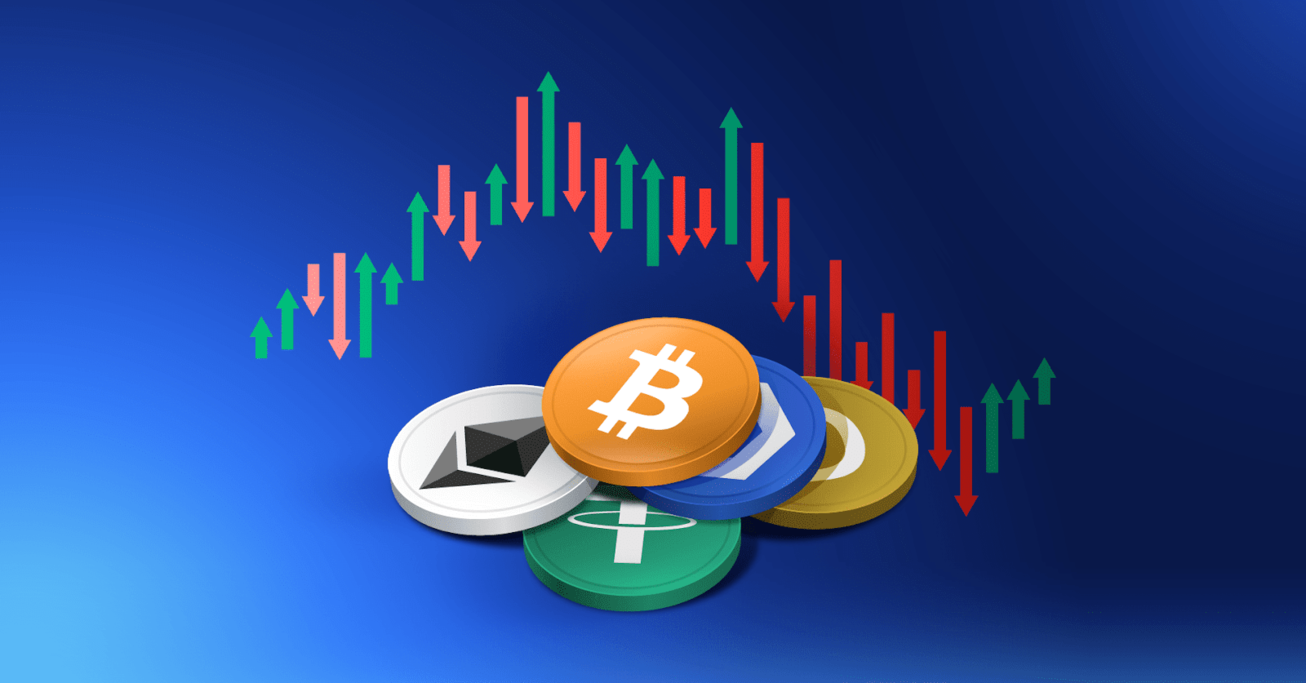
- Price volatility. Sharp swings in token value can wipe out your farming gains, especially with newer or low-liquidity tokens. A pool might show 100% APY, but if the reward token drops 80%, the math works against you.
- Liquidation risk from leverage. Looping strategies expose you to forced liquidation if your collateral value drops below the protocol’s threshold. During volatile markets, network congestion can spike at the worst moment, preventing you from topping up collateral in time. This risk is one of the most underappreciated dangers in yield farming because the leverage makes losses compound as fast as it makes gains.
- Systemic or composability risk. Layered DeFi protocols depend on each other. A vault might deposit into a lending protocol that relies on an oracle that feeds data to another contract. A bug in any single layer can cascade through every protocol built on top of it, affecting positions you thought were separate.
- Liquidity pool depletion. If other providers withdraw, pool depth shrinks, slippage rises, yields fall, and exiting your own position without loss becomes harder. Thin pools can turn illiquid fast.
- Whale manipulation. Early large holders can accumulate governance tokens and artificially inflate demand through self-lending. This distorts market prices and reduces returns for smaller participants who entered later. The concentration of governance power also means a handful of wallets can steer protocol decisions in their favor.
- Potential regulatory scrutiny. Securities regulators may classify certain yield farming reward structures as securities offerings. The rules are still developing, and a future ruling could change how specific protocols operate or whether they remain accessible in certain jurisdictions.
Benefits of yield farming
Despite the risks, yield farming offers advantages that draw both small holders and institutional capital into DeFi.
- Passive income on idle holdings. Tokens sitting in a wallet earn nothing. Depositing them into a pool or vault turns them into productive capital, generating fees, interest, and token rewards.
- Portfolio diversification. Farming across multiple protocols exposes you to different tokens and networks. A farmer with positions on Ethereum, BNB Chain, and Arbitrum holds exposure to three different networks and their native projects.
- Governance participation. Governance tokens earned from farming give you voting power over protocol upgrades, fee distribution, and treasury spending. You’re not just earning yield; you’re shaping the rules of the platform you use.
- Flexible exit. Most pools allow withdrawal at any time, so you can change strategies without waiting out long lock-up periods. This flexibility stands in clear contrast to traditional fixed-income instruments with maturity dates.
- Discovery of emerging projects. Working directly with new protocols exposes you to tokens and projects you might not find through passive research. Some of the most successful DeFi positions start as small experimental deposits.
Impermanent loss explained
Impermanent loss is the difference in value between holding tokens in your wallet and depositing them into an AMM liquidity pool. It happens because AMMs constantly rebalance token ratios as market prices move. When one token in your pair rises in price, the AMM sells some of it and buys more of the other to maintain the pool’s balance. You end up with more of the depreciating token and less of the appreciating one.
The word “impermanent” is a bit misleading. The loss exists as long as the position is open, and it only disappears if the price ratio between the two tokens returns to exactly where it was when you deposited. In practice, that reversal is uncommon, which means impermanent loss is often just loss.
Pools with highly correlated or stable assets experience lower impermanent loss. A stablecoin pair like USDC/USDT barely moves in relative price, so the rebalancing effect is minimal. Wrapped-token pairs, where both tokens track the same underlying asset, behave similarly. Some protocols have built-in mitigation mechanisms, like single-sided liquidity or insurance-style pools, that reduce the impact.
The real danger is when impermanent loss exceeds the fees and rewards you’ve earned. At that point, your net return is negative compared to simply holding the tokens. Before entering a volatile pool, it’s worth modeling how much price divergence would need to happen before your farming rewards stop covering the loss.
Yield farming vs. staking
Staking crypto is one form of yield farming, but not all yield farming is staking. The two overlap, and you can combine them, but they differ in mechanics, risk, and how much attention they require.
| Yield farming | Staking | |
|---|---|---|
| Scope | Broad strategy spanning liquidity provision, lending, and multi-platform reward chasing | Locking tokens to secure a proof-of-stake network or support a single protocol |
| Management | Typically requires active monitoring and rebalancing | Largely passive after the initial deposit |
| Rewards | Potentially higher but more variable, from fees, interest, and governance tokens | More predictable and consistent |
| Risk | Impermanent loss, smart contract layering risk, volatility exposure | Slashing penalties and lock-up periods |
| Complexity | Often spans multiple protocols and strategies | Usually involves one network or contract |
Both strategies can run side by side. You might stake ETH on the Ethereum network to earn staking rewards while simultaneously farming yield on a DeFi protocol with a portion of your other holdings. The combination gives you predictable baseline income from staking and higher-upside (but riskier) returns from farming. According to Britannica Money, the distinction matters most when evaluating your risk tolerance and how hands-on you want to be.
What is liquidity mining and how does it relate to yield farming?
Liquidity mining is a subset of yield farming focused specifically on earning a protocol’s native governance tokens in exchange for providing liquidity. The distinction is narrow but meaningful: yield farming covers any method of earning returns on deposited crypto, including interest, swap fees, and aggregator vault rewards. Liquidity mining always involves receiving protocol-native tokens as the primary incentive.
The concept has roots that predate the term’s popularity. Synthetix launched one of the earliest liquidity mining programs in 2019, rewarding users who staked LP tokens from the sETH/ETH pool on Uniswap with SNX tokens. That program proved that token incentives could attract meaningful liquidity to a decentralized pool, but it didn’t spark a broader movement on its own.
The real turning point came in June 2020, when Compound began distributing COMP tokens to users who supplied and borrowed assets on the platform. The COMP distribution model ignited what became known as DeFi Summer, a period of rapid growth where dozens of new projects launched with similar token-incentive designs. Developers saw that distributing governance tokens attracted deposits fast, and depositors saw an opportunity to earn tokens that might appreciate as protocols gained users.
Liquidity mining serves two goals for protocols. First, it bootstraps on-chain liquidity quickly. A new DEX or lending platform needs capital in its pools to be usable, and token rewards draw that capital in. Second, it distributes governance tokens widely, which decentralizes decision-making. A protocol governed by thousands of token holders is harder to capture than one controlled by a small founding team.
The relationship between liquidity mining and yield farming is straightforward: every liquidity mining program is a form of yield farming, but yield farming extends beyond liquidity mining to include strategies that don’t involve protocol-native token rewards at all.
APY vs. APR in yield farming
APR (annual percentage rate) represents simple interest earned over a year without factoring in compounding. If a pool advertises 20% APR, you’d earn 20% on your original deposit over 12 months, assuming conditions stay constant.
APY (annual percentage yield) accounts for compounding. When you reinvest rewards back into the pool, those reinvested rewards start generating their own returns. Over time, compounding pushes APY higher than the equivalent APR. A 20% APR, compounded daily, results in an APY noticeably above 20%.
DeFi platforms aren’t consistent about which metric they display. Some show APY to make the number look more attractive; others show APR. Knowing which one you’re looking at matters, because the difference between a 50% APR and a 50% APY is real money over the course of a year.
Beyond the label, several factors affect what you actually earn. Trading volume in the pool affects fee revenue. The size of your share relative to total liquidity determines how much of those fees reach you. Token-price fluctuations can inflate or deflate the dollar value of your rewards. Impermanent loss erodes returns on volatile pairs. Platform fees and gas costs chip away at gains, especially on high-fee networks.
Yield calculators and DeFi dashboard tools track live APY, fee accrual, and reward projections. They won’t predict the future, but they give you a clearer picture than a single headline number on a protocol’s landing page.
How to manage and monitor yield farming performance
Yield farming isn’t a set-and-forget activity. Reward rates change as liquidity enters or leaves a pool, token prices shift, and protocols adjust their incentive schedules. What looked like a strong position last week might underperform today.
DeFi dashboard and portfolio-tracking tools pull together your token balances, current yields, accumulated rewards, and pool health into a single view. Tools like DeFi Llama, Zapper, and auto-compounding vault platforms help you track yield and manage assets across protocols without jumping between ten different interfaces.
Total value locked (TVL) is one of the most useful metrics when you’re evaluating a pool or protocol. TVL measures how much capital is deposited, and it serves as a proxy for pool depth and protocol health. Higher TVL generally means deeper liquidity, lower slippage on swaps, and broader confidence from other depositors. A sudden drop in TVL can signal that something is wrong, whether it’s declining rewards, a security concern, or a better opportunity pulling capital elsewhere. Watching TVL trends over time tells you more than a single snapshot.
Aggregator platforms add another layer of convenience. They display auto-compounded vault performance and break down the strategy each vault uses, so you can see exactly where your funds are deployed and what drives the yield.
Whether to reinvest or withdraw comes down to your market outlook. Compounding rewards accelerates growth when conditions are stable, but swapping into stablecoins or cashing out to fiat secures your profits and cuts your exposure to token-price drops. Moving funds to higher-yield pools when incentives decline is a core yield farming tactic. Just remember that each move incurs a transaction fee, so frequent hopping on a high-fee chain can eat into the gains you’re chasing.
Tax implications of yield farming
The IRS generally treats yield farming earnings as taxable income. Interest, fee income, and token rewards you receive from DeFi protocols count as ordinary income, valued at fair market price at the time you receive them.
Selling or swapping tokens you received as yield can trigger a separate capital-gains tax event. If the token appreciated between the time you earned it and the time you sold it, the gain is taxable. If it lost value, you may be able to claim a capital loss.
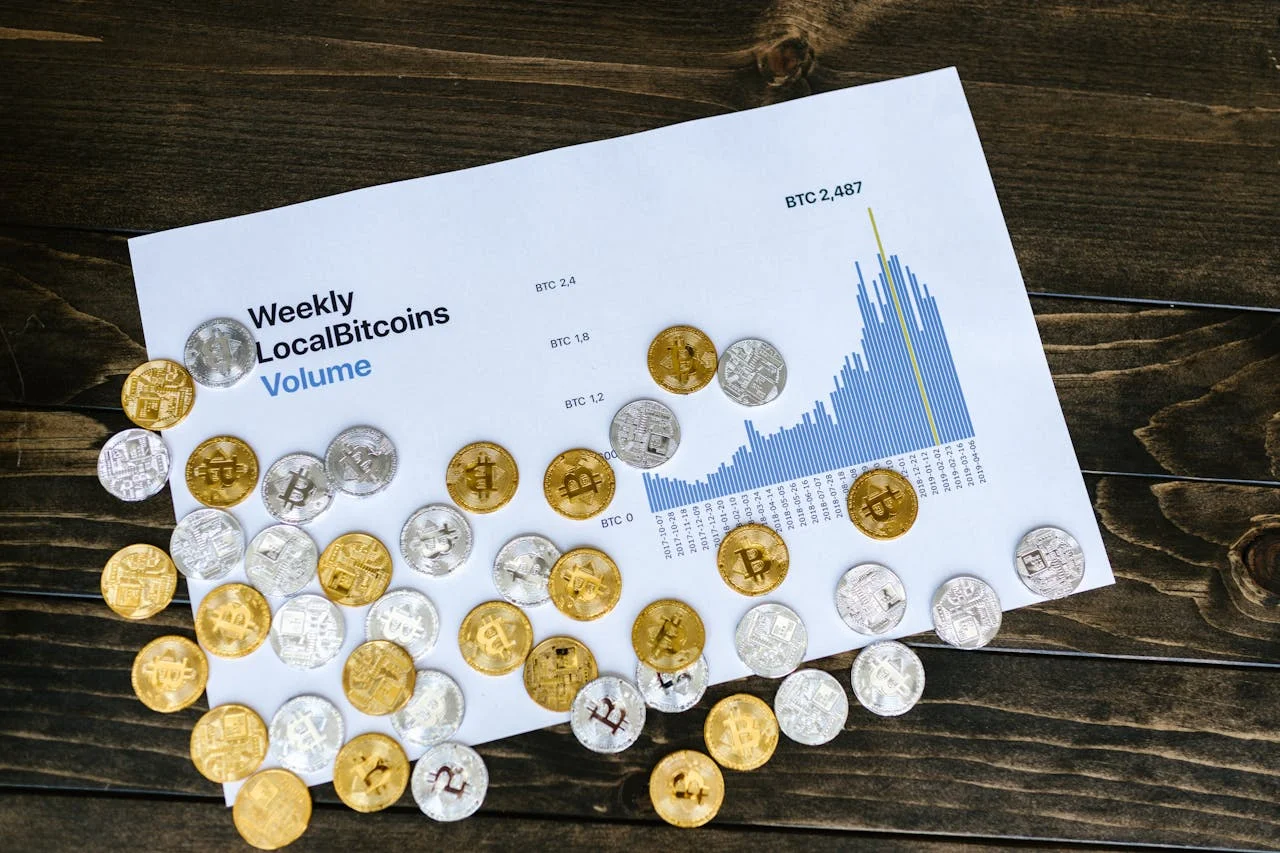
Keeping records across multiple protocols and token types gets complicated fast. You might be farming on three chains, earning four different tokens, and compounding daily. Tracking tools that export transaction histories into tax-ready formats simplify reporting considerably.
Tax rules for DeFi are still evolving. Regulatory guidance hasn’t caught up with every type of DeFi transaction, and the treatment of certain activities, like LP token minting or cross-chain bridging, remains ambiguous. Consulting a tax professional familiar with digital assets before filing is a practical step, especially if you’re farming across multiple protocols or dealing with large sums.
Frequently asked questions about yield farming
What does yield mean in crypto?
Yield is the return you earn on digital assets over a given period, expressed as APY or APR. It can come from lending interest, swap fees, or token incentives distributed by a protocol.
How much money do I need to start yield farming?
You can start with as little as $50 to $100. However, transaction fees on high-cost networks like Ethereum can erode small deposits quickly. Low-fee chains like BNB Chain or Arbitrum reduce the practical minimum and let a larger share of your capital go toward actual farming.
Can I lose all my funds while yield farming?
Yes. Smart contract exploits, rug pulls, or a total collapse in token value can wipe out a deposit entirely. DeFi has no deposit insurance, so you bear 100% of the loss.
Is yield farming safe for beginners?
Some platforms offer beginner-friendly vaults that handle strategy selection and compounding automatically, but the underlying risks remain. Starting with small amounts on audited protocols and learning the mechanics before scaling up reduces your exposure.
Should I reinvest or withdraw yield farming rewards?
Reinvesting compounds your returns over time, growing the base that generates future yield. Withdrawing locks in gains and limits your downside if token prices drop. The right choice depends on your market outlook and how much risk you’re comfortable carrying.
Yield farming as a tool for portfolio growth
Yield farming can still beat the returns you get from traditional fixed-income products, but the DeFi ecosystem has grown up a lot since DeFi Summer. High-APY opportunities are shorter-lived than they used to be, and competition among liquidity providers is steeper. The days of stumbling into a 1,000% APY pool that holds for months are mostly behind us.
Success depends on ongoing research, disciplined risk management, awareness of smart contract exposure, and a willingness to adjust strategies when market conditions shift. AXL Research Hub covers these evolving strategies so you can stay informed as the DeFi space changes around you.
Starting small on audited protocols, diversifying across pool types, and understanding each layer of smart contract risk you’re exposed to form the foundation of a sustainable farming approach. Yield farming rewards effort and attention. The farmers who last aren’t the ones chasing the highest APY; they’re the ones who understand what’s generating that APY and what could go wrong.