
What is Robinhood Chain? It’s Robinhood’s own Ethereum Layer 2 blockchain. It’s built with Arbitrum technology to put stocks, ETFs, and other real-world assets on-chain, and you pay gas in ETH because there’s no native token. Mainnet opened on July 1, 2026, and because anyone can build on the chain, the wallet, bridge, and scam risks are yours to manage.
What is Robinhood Chain?
Robinhood Chain is an Ethereum Layer 2 that Robinhood built with Arbitrum Orbit technology. It runs on top of Ethereum as a faster, cheaper network, and its main job is to bring real-world assets like stocks and ETFs on-chain at scale.
That focus on finance sets it apart from general-purpose chains. Robinhood is building around trading, tokenization, lending, wallets, and developer tools, not every kind of crypto activity.
Two design choices affect you directly. First, the chain is fully permissionless, so any developer can deploy smart contracts without Robinhood’s approval. That’s why you’ll find apps on it that Robinhood never vetted. Second, you pay fees (gas) in ETH, and there’s no native chain token, which is a rare choice for a corporate blockchain. You don’t need to buy a new coin to use the network.
Robinhood also wants the chain to blend into its products so fully that many customers won’t even realize they’re on it. That’s convenient. The catch is that it’s easy to miss the moment you leave Robinhood’s custody and take on on-chain responsibility yourself.
When did Robinhood Chain launch?
Robinhood Chain’s mainnet opened to the public on July 1, 2026, at Robinhood’s World Is Flat keynote in London. Before that, a public testnet went live on February 10, 2026. Robinhood first teased the chain in June 2025.
The June 2025 tease came alongside Robinhood’s plans for tokenized stocks on Arbitrum. The testnet was announced at the Consensus event in Hong Kong, as Fortune reported, and Alchemy, LayerZero, and Chainlink were among the early partners. Anyone could watch the testnet, but only partners and participants testing infrastructure and experimental features could actually use it.
Mainnet is where customers use the chain directly and their on-chain transactions are actually processed.
How Robinhood Chain works
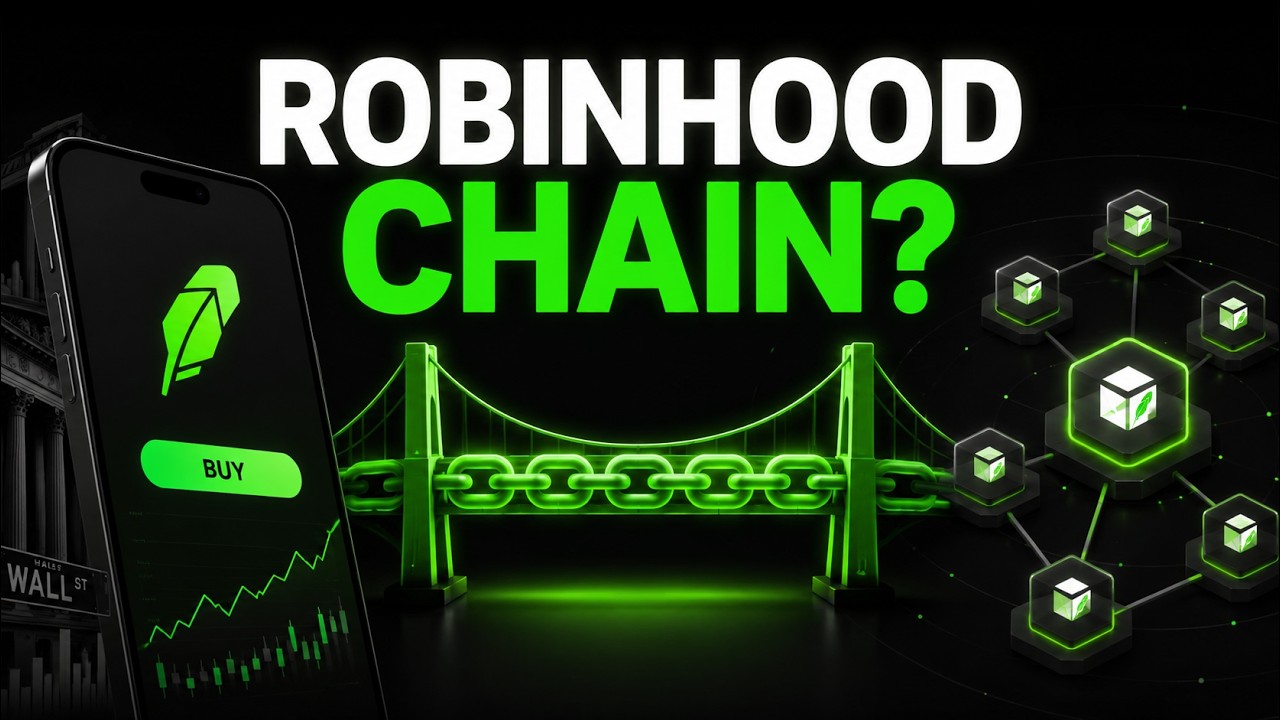
Robinhood Chain runs on Arbitrum, a Layer 2 technology on top of Ethereum. Arbitrum processes transactions in batches, which makes them cheaper and more efficient. Arbitrum and Optimism are the two dominant Layer 2 technologies in the Ethereum world, and the big corporate chains have split between them: Coinbase adapted Optimism for its Base blockchain, while Robinhood picked Arbitrum.
Optimistic rollup settlement on Ethereum
Robinhood Chain runs on the Arbitrum Nitro stack as an optimistic rollup. Transactions execute on the Layer 2 first. Then they’re compressed and posted to Ethereum in batches as blob data.
“Optimistic” describes how those batches get checked. Ethereum treats each batch as valid unless someone challenges it with a fraud proof, and a challenge has to come within a dispute window of roughly one week. Ethereum never has to re-run every transaction, which keeps fees low and makes transactions feel fast on the chain itself.
The cost is time at the settlement layer. A batch is only beyond dispute once the window closes. That’s why a rollup’s native bridge makes you wait through the challenge period when you withdraw to Ethereum. Faster third-party bridges skip that wait by taking on risks of their own.
The result is cheap, fast transactions that inherit Ethereum’s settlement security. That’s narrower than full Ethereum-level security, because other parts of the chain still depend on Robinhood. The sequencer is the clearest example.
Single sequencer and 100-millisecond blocks
A single sequencer, run by Robinhood, orders every transaction on Robinhood Chain. Because one party does the ordering, nobody has to wait for a group of operators to agree, and that’s how the chain gets block times of around 100 milliseconds.
The sequencer uses strict first-come, first-served ordering. You can’t jump the queue by paying a higher fee. That shuts out a whole category of front-running, where a bot spots your pending trade and pays more to get its own order in first. If you’re swapping memecoins or tokenized stocks, you’re less likely to get a worse price because a bot outbid you for position. That doesn’t stop every sandwich attack, though. Between September 12 and 25, 2026, Bitquery found bots buying just ahead of 3,532 memecoin orders on Robinhood Chain, nearly all placed through the Fomo app, by trading in the split second while a cross-chain bridge was still filling each order.
The price of that speed is centralization. One company controls transaction ordering, so every user relies on that one operator to keep running and to apply its rules fairly. In practice the chain is only partly decentralized. Anyone can deploy contracts, and Ethereum secures final settlement, but Robinhood alone decides the order of transactions.
ETH gas and no Robinhood Chain token
Gas on Robinhood Chain is paid in ETH. With no chain token, you don’t take on an extra layer of speculation just to use the network. Robinhood earns sequencer revenue and, under the standard Orbit arrangement, shares a slice of it with the Arbitrum ecosystem.
In practice, you need a small amount of ETH on Robinhood Chain itself before you can send any transaction, including a swap or an approval, unless an app sponsors the gas for you. ETH on Ethereum mainnet or another network doesn’t count until you bridge it over.
EVM compatibility and smart accounts
Robinhood Chain is fully EVM-compatible, so wallet addresses look the same as on Ethereum. The 0x address you already have will work, and developers can deploy apps with the Ethereum tools they already know.
The chain also supports smart accounts. These allow sponsored gas, where an app pays the fee for you, and batched transactions, where several steps like an approval and a swap go through as one action. With those features, apps can build wallet flows that feel like a regular finance app, which helps people who’ve never handled a seed phrase.
What launched with Robinhood Chain mainnet
Three products led the mainnet launch: Stock Tokens, a Morpho-powered onchain lending product, and agentic crypto trading. Robinhood made USDG (Global Dollar) the chain’s native stablecoin instead of USDC or USDT, and Lighter runs a custom deployment of its perpetual DEX on the chain.
Stock Tokens on Robinhood Chain
Stock Tokens are tokenized versions of stocks and ETFs, and they’re the chain’s anchor product. They settle on Robinhood Chain instead of going through legacy clearing systems. That’s what makes 24/7 trading possible across more than 120 countries.
Be clear about what you’re buying. Stock Tokens are derivatives that track a stock’s or ETF’s price. They aren’t direct equity. You get price exposure, but no shareholder rights and no votes. If you want to actually own part of a company, a Stock Token doesn’t do that.
Regulators are watching that derivative structure closely. How it’s treated legally will shape how far Robinhood can take its real-world asset plans, including which products reach which markets.
Onchain lending with Morpho
The lending product lets Robinhood app users deposit stablecoins into Morpho directly through the app. The headline rate is an incentivized 7% APY. That means the yield comes from rewards, not from borrowers paying that much. If the rewards shrink or end, expect the rate to drift toward what borrowers actually pay.
People signed up quickly anyway. Within one month, Robinhood Chain was Morpho’s third-largest deployment by TVL.
Agentic crypto trading
Agentic trading lets AI agents carry out on-chain strategies for regular users. It’s part of Robinhood’s broader plan for AI-driven finance on the chain. The Robinhood Help Center has a dedicated section on agentic trading and cards, so read it before you let an agent act for your account.
Why Robinhood built its own blockchain
Robinhood wanted to own the rails instead of renting them. If it had listed tokens on another company’s network, someone else would control transaction ordering, the rules, and the fees. With its own chain, Robinhood runs the sequencer, sets the rules for its financial infrastructure, and keeps the fees.
The second reason, distribution, rests on the tens of millions of app users Robinhood already has, whom it can move on-chain without making them download anything new. Very few crypto networks launch with an audience that size.
The third reason is the product. Around-the-clock tokenized stock trading doesn’t fit into traditional market plumbing, which runs on fixed hours and older clearing systems. Tokenization turns assets like stocks into crypto tokens you can trade on a blockchain the same way you trade ETH. CEO Vlad Tenev has called tokenization a freight train coming to financial markets.
It’s the same corporate-chain playbook Coinbase proved with Base, but aimed at equities instead of general crypto activity.
Robinhood Chain vs. the Robinhood app
The Robinhood app is a brokerage where you trade stocks, options, crypto, and other products. Robinhood Chain is a separate blockchain, not the brokerage app.
The practical difference is who’s responsible. When you buy crypto in the app, Robinhood holds it for you. When you act on-chain, you’re responsible for keeping your wallet secure, checking the address you send to, managing the approvals you grant, and the smart-contract risk of every app you use. If you send funds to the wrong address on-chain, no brokerage support desk can reverse it.
Robinhood supports Robinhood Chain transactions in two places: the self-custody Robinhood Wallet, available on iOS and Android, and the main Robinhood app where it’s offered. Robinhood Wallet also handles transfers and swaps for some crypto that Robinhood Crypto doesn’t support.
Robinhood Chain and the memecoin boom
Memes showed up before Wall Street assets did. Because anyone can deploy on the chain, meme traders arrived on day one. Within a week, meme tokens were driving most of the chain’s trading volume, and daily DEX activity hit records in the first weeks.
The July 2026 numbers show how lopsided it got. Of the $6.93 billion in spot volume Robinhood Chain handled, memecoins made up $3.55 billion, or 51%, while real-world assets, the stated reason for the chain, accounted for $313.2 million, or 5%.
The flagship memecoin, CASHCAT, revives Cash Cat, the original name Robinhood dropped. Founder Vlad Tenev has publicly backed memes more than once. Robinhood has reasons to welcome them, too: memes stress-tested the chain, built up early liquidity, and brought in the first wave of users.
Whether they stay is another matter. Memecoin activity has historically moved from chain to chain after each wave of speculation, passing through Ethereum, Avalanche, TRON, and Base. Nobody knows yet whether Robinhood Chain will hold on to that activity or whether it will drift back to Solana. In October 2026, a $443 million memecoin frenzy tied to Robinhood and Circle fell apart. Meme volume can disappear as fast as it shows up.
How to buy Robinhood Chain meme coins
Robinhood Chain meme coins are tokens launched on the chain itself, and you buy them on-chain through a wallet or trading app rather than with a brokerage order. CASHCAT is an exception: Robinhood also lists it in its app. The rest of the app’s memecoins, such as DOGE, SHIB, and BONK, come from other networks and aren’t Robinhood Chain tokens.
Buying on-chain takes more setup. You need ETH on Robinhood Chain for gas, unless your app covers it, plus a wallet or trading app that supports the network. From there, you can swap directly on Uniswap or use a trading bot or app that adds launch tracking and safety checks.
Fomo, GMGN, and BasedBot are three popular choices for trading Robinhood Chain memecoins. Fomo is a mobile app, with a web version, that you can fund with Apple Pay or Google Pay and use to buy on Robinhood Chain without bridging. GMGN is a research-first web terminal that surfaces new launches, tracks smart-money wallets, and checks a token’s contract for common scam patterns before you buy. BasedBot works as both a Telegram bot and a web terminal, so you can trade from a chat window or a browser. We compare their fees and safety tools, along with three other bots, in our roundup of Robinhood Chain memecoin bots.
Affiliate link: we may earn a commission at no extra cost to you.
Always check the contract address before you buy. The same ticker can exist on two networks as two completely different contracts, and scammers launch copycat tokens with familiar names. Get the contract address from the project’s official channels, check it on the block explorer, and make sure it matches the token you’re about to swap into.
How to get started on Robinhood Chain
On a new chain, a slow, careful setup will save you money. Before you start, have these ready: a self-custody EVM wallet, the official network details, ETH for gas, an official bridge or supported exchange route, a bookmark for the block explorer, and a small amount you’re willing to test with.
- Create a fresh wallet for experimenting. Keep it separate from your main long-term wallet. If you sign something bad or approve a malicious contract on a new chain, the damage stays in the test wallet.
- Add the network from an official source. Use the official “Add network” button, Robinhood’s verified documentation, or Chainlist. Whichever you use, check the chain ID and RPC URL against Robinhood’s official docs before you save the network.
- Do a practice run on testnet (optional). Testnet tokens have no value, so it’s a free place to learn how the wallet, the explorer, and bridging work before real money is on the line.
- Fund your mainnet wallet with ETH for gas. You can use an official bridge, a third-party bridge listed by the official ecosystem, an exchange withdrawal, or a transfer from another wallet already on the chain. Bring any other tokens you plan to use the same way.
- Check the bridge details before you confirm. Confirm the source and destination chains, the destination address, the minimums and fees, and whether the token you’ll receive is canonical or wrapped. A wrapped version is a different contract, so apps may not accept it and it may be harder to sell.
- Send a small test first. Wait for it to arrive, then confirm it on the official block explorer you bookmarked. The explorer shows your balance, the transaction status, the token contract and whether it’s verified, gas used, internal calls, and token transfers.
- Swap a tiny amount on a well-known app. Then open the transaction on the explorer and look at what happened: which contract you interacted with, what approval you granted, and how much gas you paid.
- Revoke approvals and keep records. Remove any approvals you no longer need, and write down the token contract addresses and the fees you paid. You’ll want both if something goes wrong and when you do your taxes.
Robinhood keeps an ecosystem directory of projects in trading, lending, infrastructure, wallets, tokenized assets, and developer tools. It’s a good place to find apps, but a listing doesn’t mean an app is safe. Vet each one before you connect.
Wallets that work with Robinhood Chain
Most common EVM wallets can connect to Robinhood Chain, either through a built-in option or by adding it as a custom network. The real difference between them is how much they help you catch a bad transaction before you sign it.
| Wallet | What it offers | Keep in mind |
|---|---|---|
| MetaMask | Most widely used option | Common starting point for beginners |
| Rabby | Shows transaction previews and risk warnings before you sign | Useful when you’re trying apps on a new chain |
| Coinbase Wallet | Self-custody option familiar to existing Coinbase users | Separate from your Coinbase exchange account |
| Robinhood Wallet | Robinhood’s own self-custody app on iOS and Android | Usable where supported |
| Hardware wallet | Strong protection against key theft for larger balances | Doesn’t stop you from signing a bad transaction |
A hardware wallet’s limits are often misunderstood. It keeps your keys offline, so malware can’t steal them. But if you approve a malicious contract on the device, the transaction is valid and goes through. If you’re still choosing, our crypto wallet reviews compare these options in more detail.
Robinhood Chain network details
If your wallet doesn’t add Robinhood Chain automatically, you’ll fill in five fields by hand. Copy each value from the connection page in Robinhood’s official Chain documentation:
- Network name: a label for your own reference; use the name shown in Robinhood’s docs so you can find it later.
- RPC URL: the endpoint your wallet uses to talk to the chain; copy it straight from the docs, since RPC details can change.
- Chain ID: 4663. If a site gives you a different number, you’re not adding Robinhood Chain.
- Currency symbol: ETH, because gas is paid in ETH.
- Block explorer URL: the official explorer listed in the docs, which you should bookmark.
The RPC URL is the field to be most careful with. A malicious RPC endpoint can show your wallet false information, block your requests, or track your activity. It can’t spend your funds without a valid signature from you, but false balances and blocked requests can trick you into signing something. Since RPC details can change, check Robinhood’s documentation again whenever you set up a new device.
Risks of using Robinhood Chain and trading crypto
Brand-new chains are risky ground. Tooling is still rough, fake links spread quickly, and beginner mistakes cost real money. Being built on Ethereum doesn’t give Robinhood Chain Ethereum-level security, because Layer 2 networks rely on extra trust components that Ethereum doesn’t have.
| Risk | What can go wrong | How to handle it |
|---|---|---|
| Centralization | The chain relies on sequencers, upgrade keys, governance councils, and bridge contracts, all controlled by a small group | Keep balances on the chain sized to your trust in those parties |
| Bridges | Bridges are among the most frequently attacked parts of crypto | Use official or officially listed bridges and move only what you need |
| Tokenized-asset limits | Geographic restrictions, transfer controls, and issuer risk can limit what you can hold, move, or redeem | Read a product’s terms before you buy, especially if you hold it outside the app |
| Smart contracts | A fast chain doesn’t fix badly written code | Stick to apps with audits and time in production |
| Fake ecosystem links | Cloned websites for new chains appear almost immediately | Reach apps only through bookmarked official links |
| Liquidity fragmentation | A token can be hard to sell even when its displayed price looks attractive | Check pool depth and make a small test sale before you size up |
How to stay safe on Robinhood Chain
Most losses on new chains come from things you sign or type, not from hacks of the chain itself. These habits protect you from most of them:
- Never share your seed phrase. A faucet, bridge, explorer, support form, or airdrop checker never needs it, and no legitimate service will ask. Anyone who asks for it is trying to empty your wallet.
- Get network details only from official sources. Use Robinhood’s Chain website and documentation. Don’t trust details from X replies, Telegram DMs, or sponsored search ads, which are where fake RPCs and cloned sites usually show up.
- Vet every app yourself. Being listed in the ecosystem directory doesn’t make an app safe. Check who’s behind it (team identity, social account age and consistency), how it’s built (audits, upgradeability, admin-key powers, the token contract), and how it has held up (time in production, incident history, total value locked, withdrawal process). Confirm the official domain too.
- Avoid unlimited token approvals. An unlimited approval lets a contract keep spending that token from your wallet even after you’ve closed the site. If the contract is ever exploited, so is your balance.
- Revoke approvals, don’t just disconnect. “Disconnect wallet” only hides your address from the site; the contract’s permission stays active. Check your active approvals with the Robinhood Chain explorer’s approval checker, and revoke the ones you don’t need with Revoke.cash.
- Preview before you sign. Rabby warns you about risky approvals, and Tenderly can simulate a transaction where it’s supported, so you can see what will happen before you commit.
Is there a Robinhood Chain airdrop?
No. There’s no native Robinhood Chain token, and Robinhood hasn’t announced or promised one. Robinhood can run a successful network without ever issuing a public token, since it earns from the sequencer and its other businesses.
People still speculate about a retroactive airdrop for early users, but nothing has been announced. Using the testnet or doing normal mainnet activity guarantees you nothing.
That speculation leads people into costly traps. Some overtrade to chase points that may never matter, or pay large bridge fees for rewards that may never come. Others run many wallets to game a possible reward, which is a sybil scheme, and projects that do airdrops usually try to filter those wallets out.
The bigger danger is outright scams. Fake eligibility checkers ask you to connect your wallet and sign messages from sites you don’t know, and those signatures can hand over your tokens. Unofficial tokens also get sold under the “Robinhood Chain” name. Since no official token exists, any token marketed that way isn’t from Robinhood.
Common questions about Robinhood Chain
Can US users reach Robinhood Chain through the Robinhood app?
Mostly not. Under the rules in place in August 2026, Robinhood’s mostly US-based users largely couldn’t access the chain through the app. Self-custody wallets connect to the chain directly, but that path comes with all the on-chain responsibilities covered above.
Are there NFTs on Robinhood Chain?
Yes. NFT collections arrived soon after the memecoins, led by Stonkbrokers and its retail-trader theme. A few weeks after mainnet, Stonkbrokers had a floor price of 7.5 ETH.
Where Robinhood Chain could go next
Robinhood’s plans go beyond stocks. The idea is for real-world asset collateral to flow into DeFi lending, with established protocols serving those assets the way Morpho already serves stablecoin deposits.
In our view, the most likely model treats the chain as a funnel. Robinhood Chain introduces users to tokenized assets, and most of the value shows up as engagement and revenue elsewhere at Robinhood rather than as chain fees. If you use the chain, keep that in mind: Robinhood will judge its success by how many people it brings into Robinhood’s wider business, not just by on-chain activity.